The History of Cooking Oils
Up until the 1950s, Americans used saturated or monosaturated fats to cook with – butter, lard, tallows and coconut oil. Coronary heart disease was relatively rare.
But in the late 50s, Ancel Keys came up with the Lipid (Fat) Hypothesis. Keys said that he proved a direct relationship between the amount of saturated fat and cholesterol in the diet and the amount of coronary heart disease. (It was discovered much later that Keys cherry picked his data, causing his whole study to be flawed.)
Because of the publicity he got, his idea stuck, and opened the door for industry to make vegetable oils with a proliferation of polyunsaturated fats. It also led to the low-fat and non-fat diet craze as people stopped eating butter and ate margarine instead.
What happened since the 50s? The incidence of heart disease has skyrocketed to where today it is the number one killer of women and men. What changed? The American diet.
Since the 1950s, dietary cholesterol increased only 1%. But the percentage of dietary vegetable oils in the form of margarine, shortening, and refined oils increased about 400%. The consumption of sugar (to compensate for the lack of taste of low-fat) and processed foods increased about 60%.
Why are Polyunsaturated Fats Dangerous?
Your body makes only saturated fat and monounsaturated fat. You must get polyunsaturated fat, an “essential fat,” from food such as walnuts. sunflower seeds, flax seeds or flax oil and fish, such as salmon, mackerel, herring, albacore tuna, and trout.
Polyunsaturated fats are only dangerous when they are processed from seeds in big industrial fat factories.
Unlike coconut or olive oil, which can be extracted through a slow-moving stone press, seed oils like canola, soybean and corn oil require a harsh extraction process.
The large factories subject the seeds to high heat exposing them to damaging light and oxygen. Then, to extract the last 10% or so of oil, the processor treats the seeds with toxic solvents – usually hexane.
This high-heat processing causes the fragile and unstable omega-3 linolenic acid in polyunsaturated fats to break apart creating dangerous free radicals. The process also destroys the antioxidants, such as fat-soluble vitamin E, which protects the body from the ravages of free radicals.
If that isn’t horrifying enough, BHT and BHA, both suspected of causing cancer and brain damage, are often added to these oils to replace the vitamin E and other natural preservatives destroyed by heat.
The Health Hazards of Cooking with Unhealthy Oils
- Vegetable oils are high in Omega-6 fatty acids, especially linoleic acid, which is a precursor to pro-inflammatory eicosanoids. These molecules can cause chronic inflammation and contribute to autoimmune diseases.
- Diets high in linoleic acid cause oxidative stress, mitochondrial dysfunction, and genetic damage. These factors are instrumental in promoting cancer.
- The Minnesota Coronary Experiment found that participants who increased their intake of corn oil had an 86% higher incidence of heart attacks.
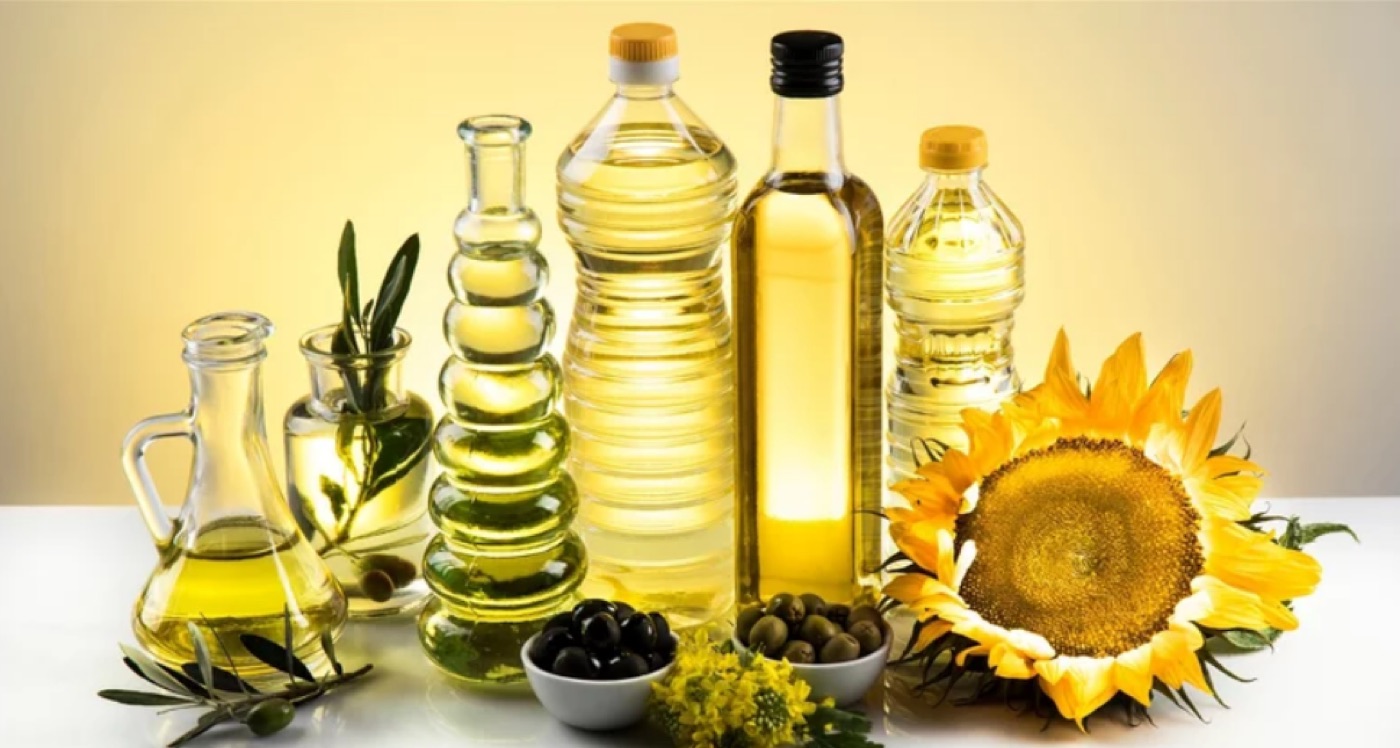
Unhealthy Cooking Oils
- Sunflower Oil
- Soy Oil
- Cottonseed oil
- Safflower oil
- Corn oil
- Rice bran oil
- Grapeseed oil
- Canola oil
Healthy Fats and Healthy Cooking Oils
After decades of being duped into eating unhealthy processed polyunsaturated fats, the American public got a wake-up call. In 2014, “Time” magazine ran a cover story, “Eat Butter: Scientists Labeled Fat the enemy. Why They were Wrong. “
Sadly, we haven’t heeded the call because the idea of fat as public enemy number one is still deeply embedded in our culture. This belief persists even though eating a diet of refined carbohydrates and low or no-fat products has produced a population that is more than one-third overweight.
In addition, type 2 diabetes has increased 166% from 1980 through 2012.
Here are just a Few of The Healthy Cultures that Eat Saturated Fat
- India – Northern Indians consume 17 times more animal fat than Southern Indians but have a 7% lower incidence of coronary heart disease.
- Eskimos – They eat liberal amounts of animal fat from fish and marine animals and are free of disease and are exceptionally hardy.
- China – In a region in which the populace consumes large amounts of whole milk they have half the rate of heart disease than in regions eating small amounts of animal products.
- Okinawans – The average life span for women is 84, higher than in Japan. They eat generous amounts of pork and seafood and do all their cooking using lard.
Unprocessed Cholesterol in Saturated Fats is Vital for your Health:
- Cholesterol is vital for the manufacture of balanced hormones that protect you from everyday stress. These hormones are protective against heart disease and cancer.
- Cholesterol is needed to make all the sex hormones including testosterone, estrogen, progesterone and DHEA.
- The body needs cholesterol to properly use vitamin D, which is critical to all body systems including the bones, nerves, proper growth, mineral metabolism, muscle tone, insulin production, fertility, and strong immunity.
- Cholesterol acts as a powerful antioxidant in the body and protects it against free radical damage to the tissues.
- Cholesterol is needed by the liver so it can make bile salts, which are critical to the digestive process and absorption of dietary fats.
- The brain needs cholesterol to function properly. Cholesterol is used by serotonin receptors, serotonin being the body’s natural “feel good” chemical. Low cholesterol levels have been associated with aggressive and violent tendencies, depression, and suicide.
- Cholesterol is necessary for the proper functioning of the intestines and maintaining the integrity of the intestinal wall, as well as all cell walls. Low cholesterol diets can lead to “leaky gut” syndrome and other digestive problems.
Mother’s milk, the most perfect food on the planet, provides a higher proportion of cholesterol than almost any other food. It also contains over 50% of its calories as fat, much of it saturated fat.
If your serum cholesterol levels are high, your body is sending cholesterol, acting as an antioxidant, to repair structurally weak blood vessels damaged by eating excess polyunsaturated fats.
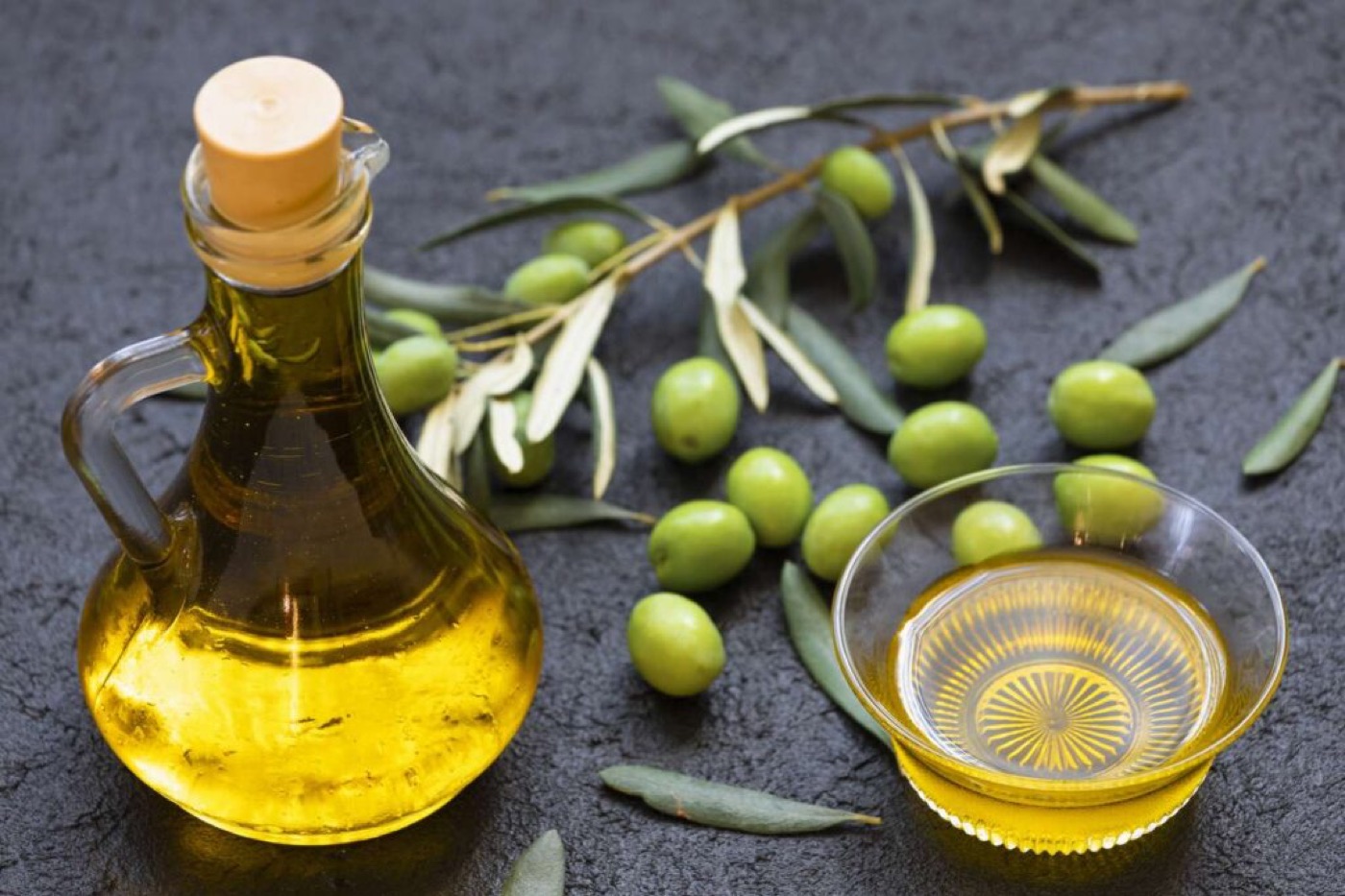
Healthy Cooking Oils
- Olive oil (at low heat only)
- Butter
- Ghee
- Tallow
- Lard
- Chicken/Duck Fat
- Red Palm Oil
- Coconut oil
This discussion is another example necessary to maintain a healthy vibrant body. Eating healthy fats is akin to a slow burning log burning for a long time versus kindling, which burns quickly. You will feel more satiated after each meal and for a longer time period.
Enjoy Your Fats!
Shelley H. Lane, OMD, L.Ac.